
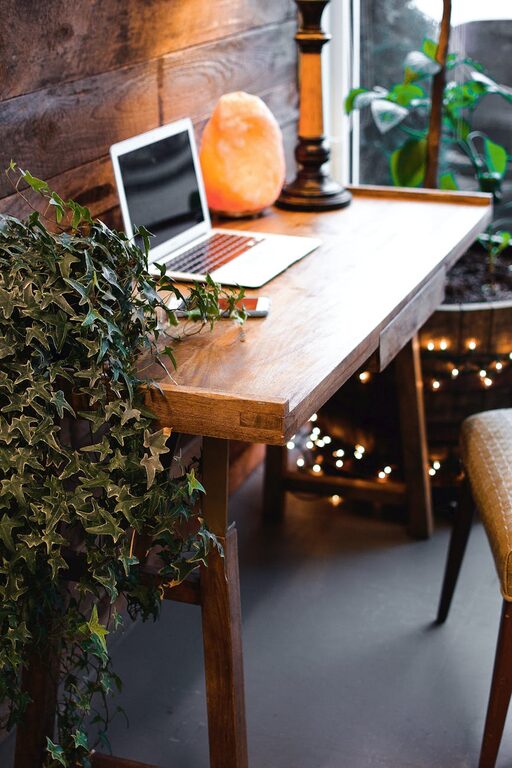
Creating a home office that balances comfort and functionality can greatly improve your work-from-home experience. Whether you have a dedicated spare room or a small corner in your living area, a well-designed workspace encourages focus and creativity. Here are some practical tips to help you create a cozy and efficient home office space.
Choose the Right Location
Selecting the ideal spot for your home office is the first step. Ideally, pick a quiet area with minimal distractions. Natural light is a bonus—it helps reduce eye strain and boosts mood. If possible, position your desk near a window to enjoy daylight and fresh air.
Consider Privacy and Noise Levels
If you share your living space with others, try to choose a place that offers some separation or privacy. Use room dividers or curtains to create boundaries that signal work time to family members.
Invest in a Comfortable Chair and Desk
Comfort is key when spending long hours working. Invest in an ergonomic chair that supports your back and encourages good posture. Adjustable desks are also great because they let you switch between sitting and standing, which can improve circulation and reduce fatigue.
Desk Size and Storage
Choose a desk with enough surface area for your computer, planner, and other essentials. If space allows, select one with built-in storage like drawers or shelves to keep your workspace tidy and organized.
Optimize Lighting for Productivity
Good lighting can make a huge difference. Besides natural light, use a combination of ambient and task lighting. A desk lamp with adjustable brightness lets you focus on work details without straining your eyes.
Avoid Glare and Shadows
Position lights so they do not cause glare on your screen. If possible, place your monitor perpendicular to windows to reduce reflections.
Personalize Your Space with Meaningful Decor
Adding personal touches can make your office feel welcoming and inspire creativity. Consider small plants, artwork, or photographs that make you smile. However, keep decorations minimal to avoid clutter.
Use Calming Colors
Colors impact mood and productivity. Soft blues, greens, or neutrals are known to promote calm and concentration. You can introduce these through wall paint, accessories, or furniture.
Organize with Purpose
An organized space helps clear the mind. Use storage solutions like shelves, filing cabinets, or desk organizers to keep papers and supplies neat and easy to access.
Cable Management
Keep cords and cables under control to maintain a clean look and avoid tangles. Cable clips, trays, or sleeves can keep wires out of sight.
Incorporate Technology Thoughtfully
Choose technology that supports your work needs without cluttering your desk. Wireless devices such as keyboards, mice, and headphones reduce cable mess and increase flexibility.
Manage Screen Time
Position your monitor at eye level and about an arm’s length away to reduce eye strain. Consider using blue light filters or screen protectors if you work long hours in front of devices.
Create Zones for Different Activities
If space allows, designate areas for different tasks, such as a spot for computer work, writing, or brainstorming. This separation can help your brain switch focus and reduce monotony.
Add Comfort Elements
Little comforts can make your office feel more inviting. A cozy throw blanket, a soft rug, or a warm lamp can create a relaxing atmosphere without distracting from work.
Establish Boundaries and Routines
Set clear work hours and communicate them with household members. Having a daily routine and “leaving” your office at the end of the day helps maintain work-life balance.
—
By thoughtfully designing your home office, you create a space that supports both productivity and well-being. Comfortable seating, good lighting, organization, and personal touches all contribute to a cozy, functional environment where work becomes more enjoyable. Take your time to arrange these elements and adapt the space to your unique needs.
